Your Handy Guide to Food Photography for Restaurants
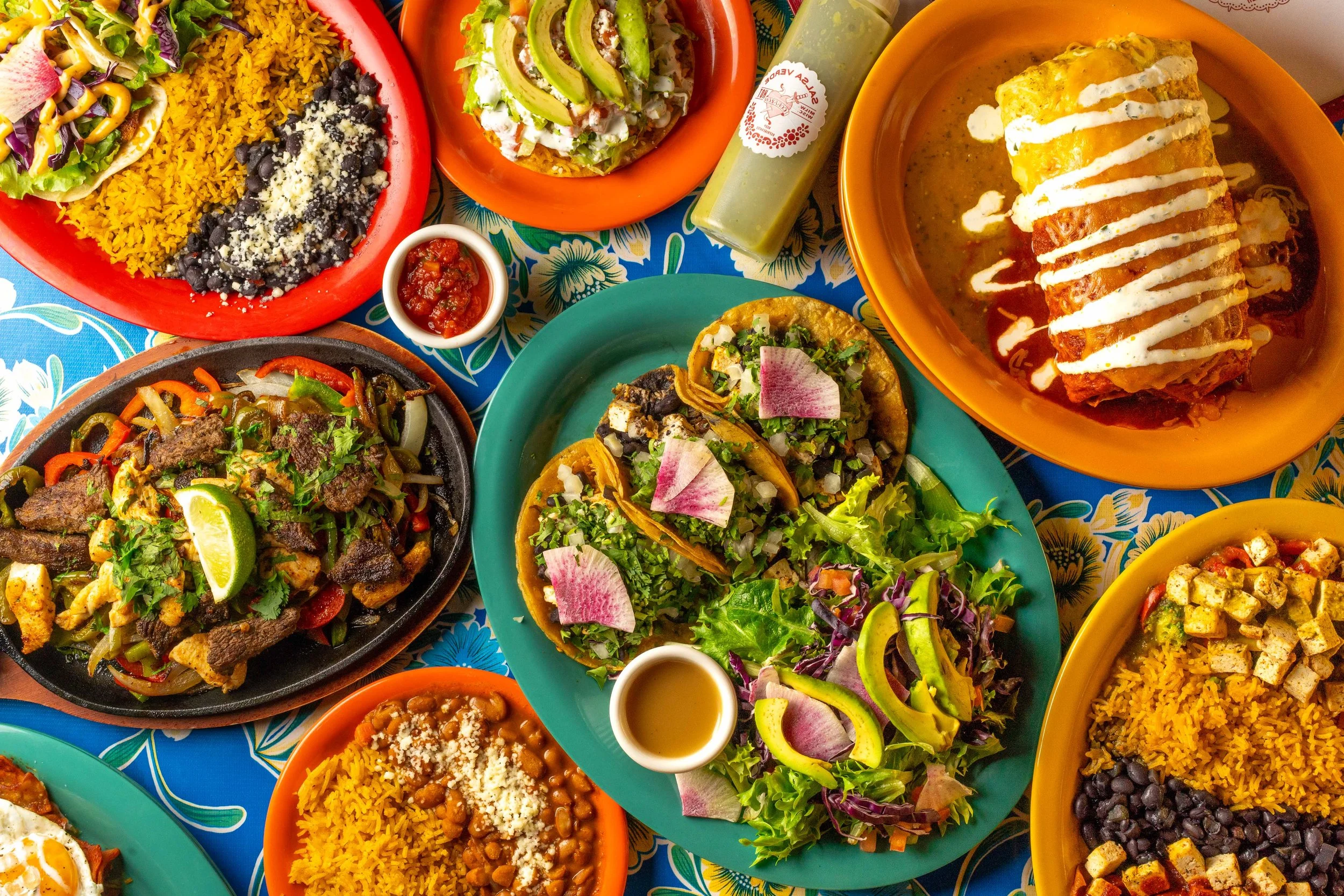
Entrees at Cafe Corazon in Milwaukee, WI
Strong images help restaurants stand out in a crowded market. Good photography shapes how guests feel about your food before they ever taste it. As a full time food photographer working across Milwaukee, Chicago, and Los Angeles, I spend a lot of time helping restaurants (and retailers) improve the way they present their menus (and products) online.
Think of this guide as a simple reference for any restaurant that wants to improve its visuals without guessing what works.
Why Food Photography Matters for Restaurants
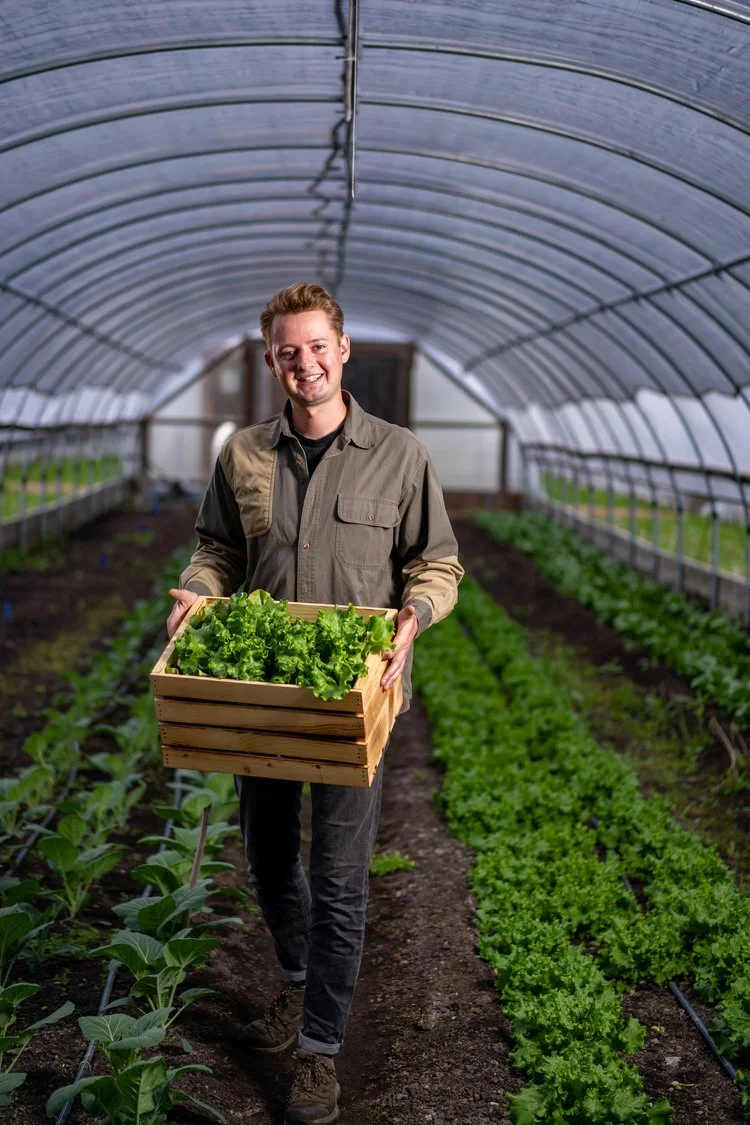
Your photos are often the first impression a guest sees. They influence ordering decisions, social engagement, and how people talk about your brand.
High quality images can help you:
Increase click through rates on delivery apps
Raise average check value
Build trust with new guests
Keep your social pages fresh
Show consistency across menus and locations
Strong visuals help people feel confident about choosing your restaurant.
What Makes a Restaurant Photo Stand Out
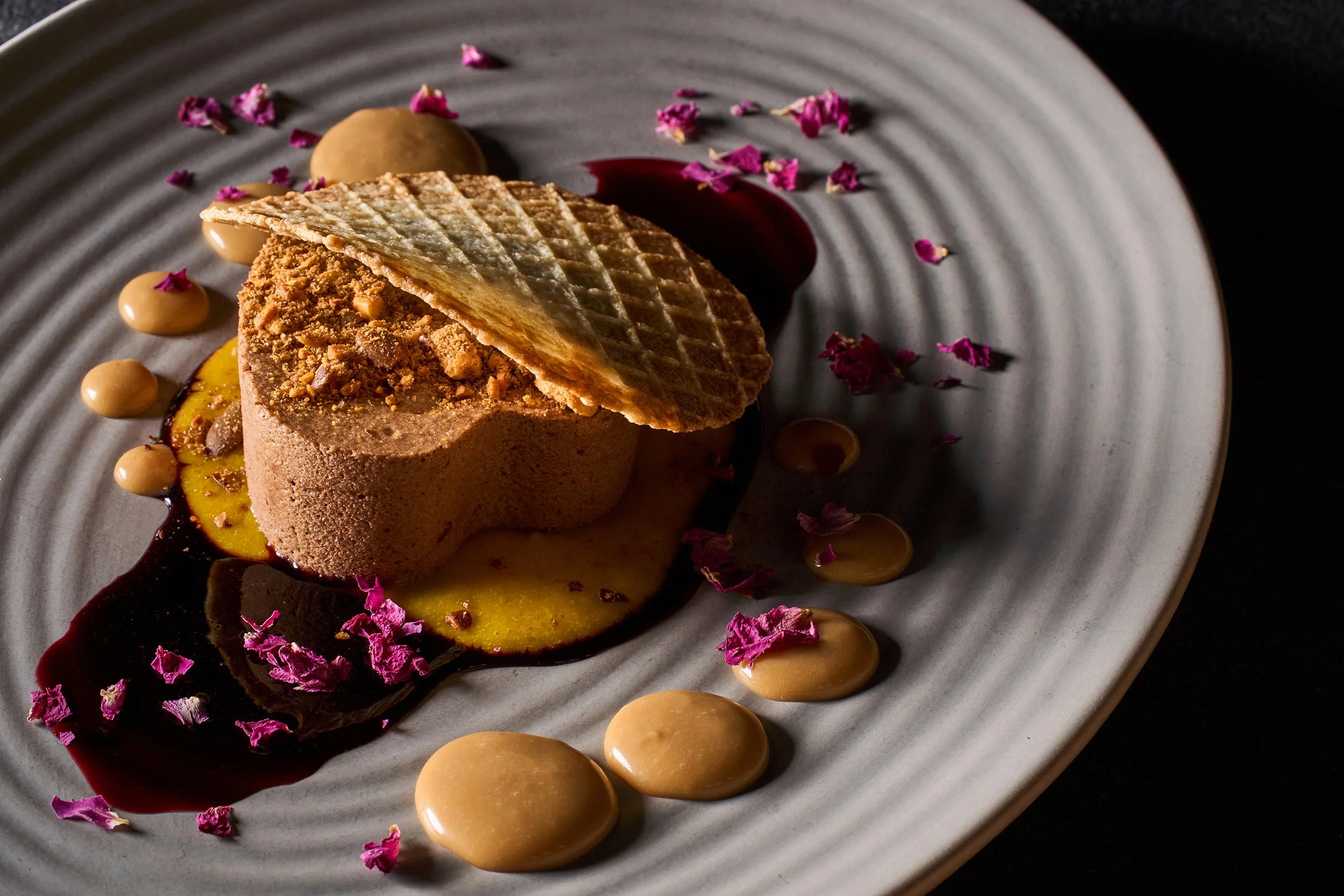
Xacalli Kitchens dessert menu
You don’t need a full studio to create better images. A few key elements carry most of the impact.
1. Clean Lighting
Food performs best with soft, natural looking light. Window light gives dishes more dimension and cleaner color.
2. Fresh Garnish and Proper Plate Prep
Smudged plates, dried herbs, and wilted greens weaken the final image. A quick reset before the shot brings the dish back to life.
3. Clear Storytelling
Your photo should communicate something. Comfort. Freshness. Spice. Texture. Ambiance. A simple intention behind the shot makes it stronger.
4. Texture and Detail
People love seeing the real qualities of food. Crisp edges, melty cheese, cold droplets on a glass. These details make a dish feel crave worthy.
How Restaurants Can Prepare for a Photo Session
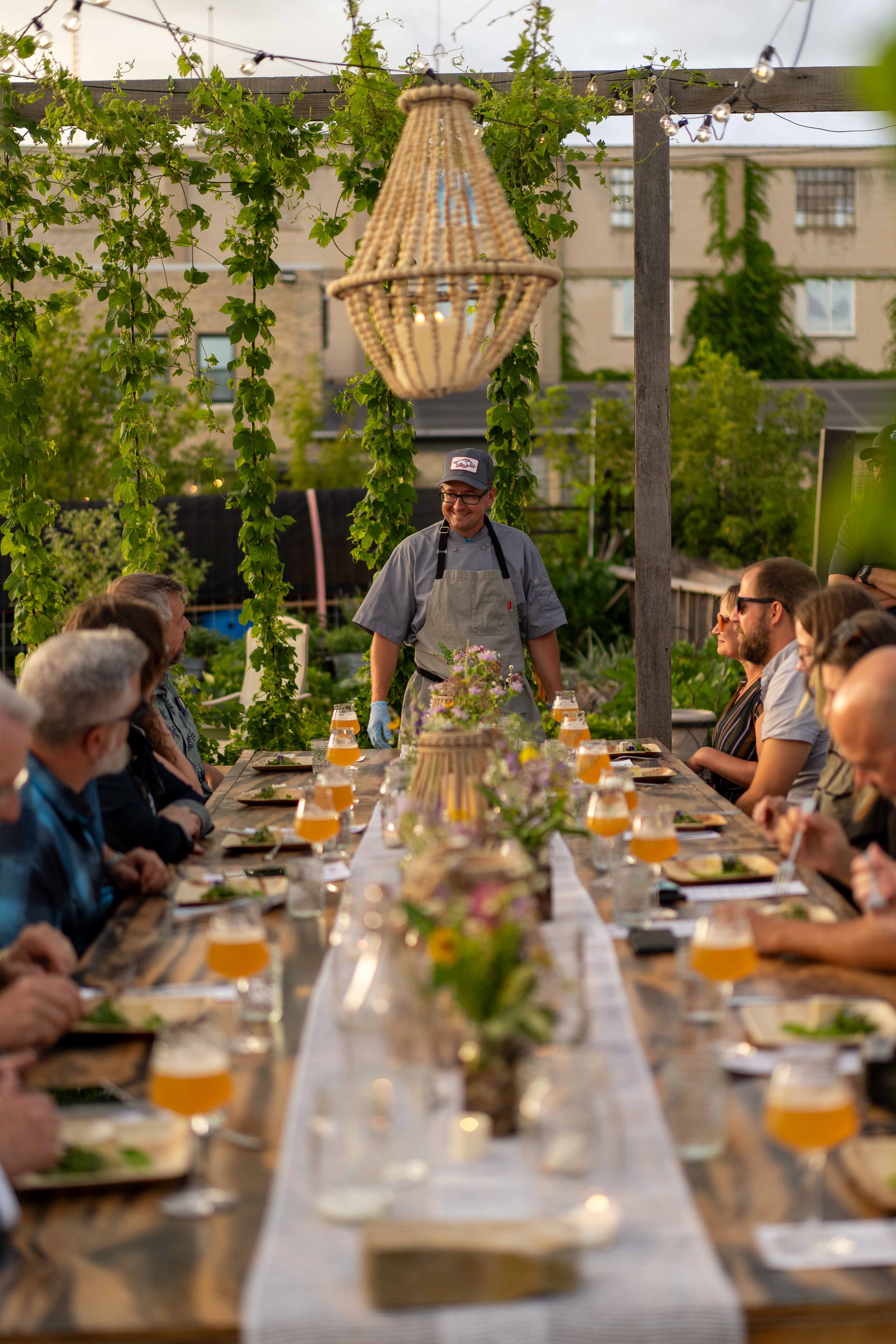
Chef Joel talking through his meal choices at Crops on Top
A good shoot is the result of clear planning and communication. Here are the steps that help you get the most from your session.
1. Choose Your Priority Dishes
Pick the items that carry your brand. Signatures, high margin plates, and seasonal launches always deserve spotlight.
2. Coordinate With the Kitchen
Give the chef time to prepare ingredients, garnish, and plating. This keeps the pace smooth during the session.
3. Create a Clean Workspace
Clear counters, wipe tables, polish glasses, and remove clutter. Clean backgrounds reduce editing time and make your food the focus.
4. Think About Props and Surfaces
Linens, boards, plates, and glassware support your style. Rustic spaces look great with warm surfaces. Modern restaurants photograph well with clean stone or neutral backgrounds.
Tips for Day to Day Photos if You Are Shooting In House
Good habits raise the quality of your social posts even when you are not working with a photographer.
Use window light whenever possible
Turn off bright yellow overhead bulbs
Avoid shooting too close or too far
Wipe plates before photographing
Add final garnish at the last moment
Capture three angles: overhead, forty five degrees, and a close detail
These simple practices keep your visuals cleaner and more consistent.
How a Professional Food Photographer Helps You Stay Consistent
Partnering with a photographer gives you more than nice photos. It creates a predictable content rhythm that supports your marketing every month.
A photographer helps you:
1. Plan Content Ahead of Time
Instead of scrambling for photos before a menu update or event, you get a clear plan based on your specials, seasons, and upcoming promotions.
2. Build a Monthly or Seasonal Content Library
Restaurants run out of images fast. A photographer creates a reliable supply of photos and videos that support your posting schedule.
3. Maintain a Consistent Style
Color, lighting, and composition stay aligned with your brand. Guests recognize your visuals instantly.
4. Capture High Quality Hero Shots
Delivery apps, websites, and Google listings need strong hero images. These are difficult to create in house. A photographer handles them quickly and with precision.
5. Save the Team Time
Your staff can focus on service while your photographer handles creative direction, styling, and technical work.
6. Keep Digital Platforms Up to Date
Menus change. Cocktails rotate. Seasonal dishes come and go. A photographer helps you refresh your visuals so your guests always see what you actually serve.
A steady content system helps your restaurant stay visible, relevant, and professional year round.
Final Thought
Good food deserves good images. When restaurants take visuals seriously, guests respond. Whether you are a local spot in Milwaukee, a cocktail bar in Chicago, or a bright California kitchen, strong photos help your story travel farther and increase trust with your audience.
Please reach out or check out my media kit here if you’d like to up your visuals for your menu.
